

Retail Display Prototyping in Melbourne: Catch Failures Before Production
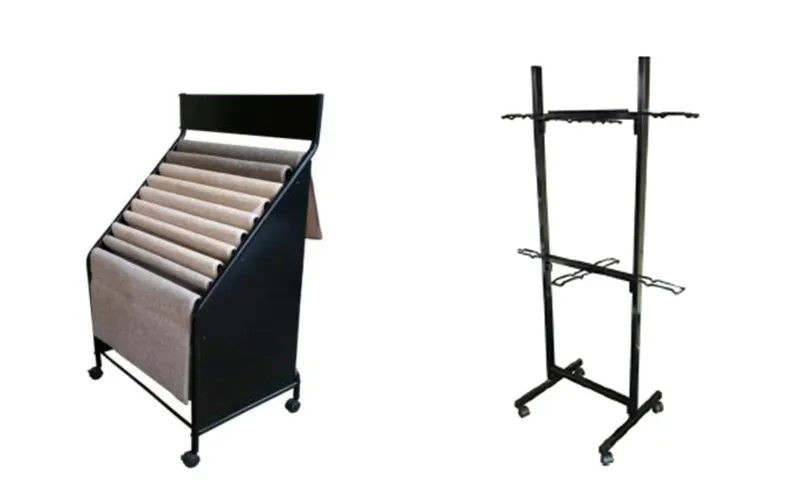
Jarvis Martin explains how retail display prototyping in Melbourne can reveal product fit, stability, finish and assembly problems before production begins.
Retail display prototyping in Melbourne can help retailers and brands evaluate physical design before approving a larger production run. Drawings and digital renders communicate the concept, but they cannot fully confirm how a completed display will hold products, fit its intended location or function during daily use. Where a physical prototype or pre-production sample forms part of the project, it can reveal practical issues while design changes remain possible.
Why Is Retail Display Prototyping in Melbourne Important Before Production?
A minor design fault can become expensive when repeated across multiple units. Reviewing a prototype may reveal incorrect dimensions, weak connections, awkward product access or details that could be difficult to reproduce during retail display manufacturing.
Australian Government product-development guidance recommends building and testing a prototype to find problems early, obtain user feedback and refine the design before bulk production. A physical sample also gives marketing teams, store employees and display manufacturers a shared reference for reviewing branding, replenishment and production details.
What Display Failures Should the Prototype Uncover?
Any review should reflect how the display is expected to be stocked, handled, cleaned and installed. Where practical, the sample should be assessed with its intended products, including the largest and heaviest variations it may hold.
- Incorrect product fit: Confirm that packages sit correctly, labels remain visible and shoppers can remove one item without dislodging nearby stock.
- Insufficient stability: Check for rocking, tipping or excessive movement when the display carries its intended load or becomes unevenly stocked.
- Difficult replenishment: Assess whether employees can refill shelves or hooks without unnecessary reaching, lifting or partial dismantling.
- Poor brand presentation: Review graphics, logo placement, colours, finishes and product visibility under realistic store lighting.
- Assembly problems: Identify confusing components, missing fixings, unexpected tools or steps that may delay installation at multiple stores.
- Transport weaknesses: Check whether finished surfaces and projecting components can be packed efficiently and protected during transport.
What Should Be Approved Before the Display Enters Production?
Approval should cover measurable details instead of relying on a general statement that the display looks right. Every accepted change should be transferred to the final drawings, artwork and manufacturing specifications so production follows the correct version.
- Dimensions and materials: Confirm the footprint, shelf spacing, material types, thicknesses and intended product capacity.
- Structure and hardware: Record the approved joints, fasteners, castors, brackets and any installation requirements.
- Colours and graphics: Approve physical finish samples, artwork versions, print positions and branding visibility.
- Use and assembly: Confirm how products are loaded, how the unit is assembled and whether instructions are required.
- Packaging and delivery: Approve component protection, package dimensions, labelling and store-allocation details.
- Final documentation: Retain the approved design, revisions and specifications as the reference for manufacturing and quality checks.
Turn Your Retail Display Concept into Reality with Jarvis Martin
Jarvis Martin supports retail projects through established design, manufacturing, powder coating, logistics and warehousing capabilities. A properly reviewed design can help retailers correct avoidable problems and proceed with clearer production specifications. This preparation can produce a display better suited to manufacturing, transport, installation and everyday retail use.
Contact us to enquire about a custom retail display for your products and store.
Optimized by: Netwizard SEO