

Retail Display Rollout Logistics: Staging and Delivery Scope
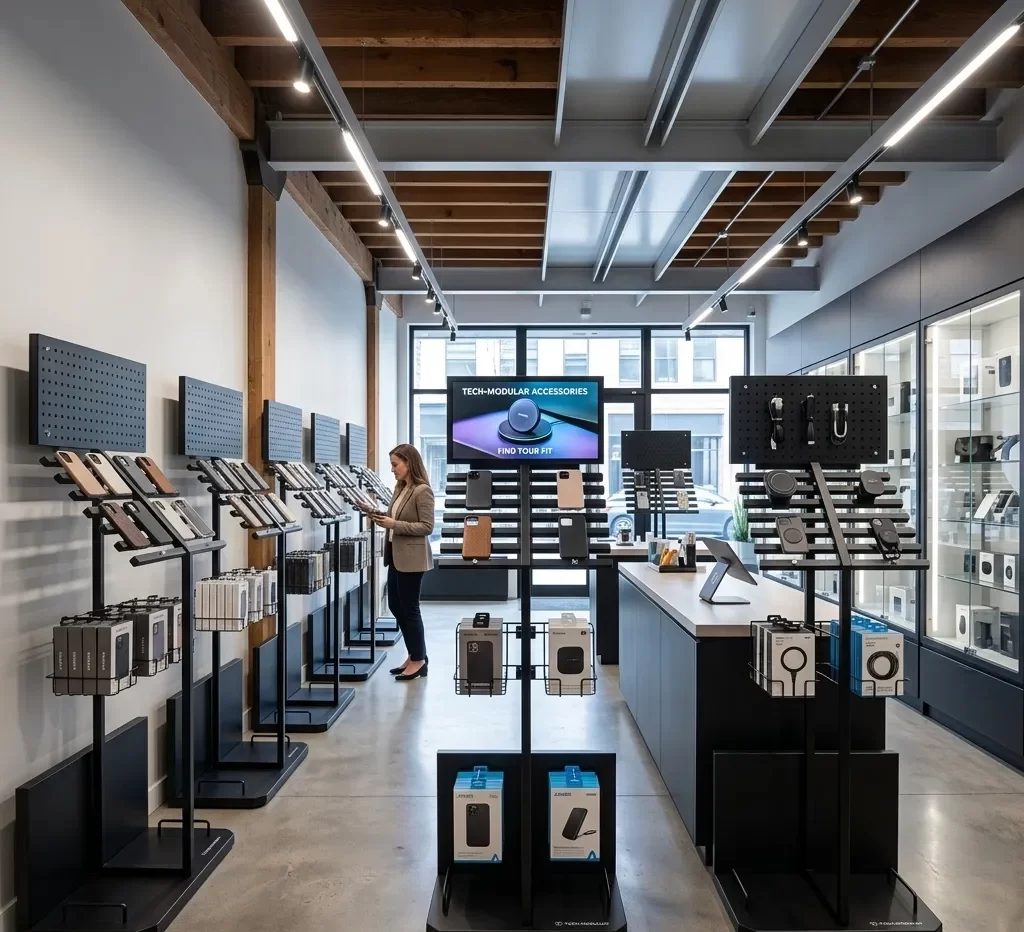
Jarvis Martin explains retail display rollout logistics, including staging, store allocations and delivery scope for store rollouts in Melbourne, Victoria.
Multi-store display projects can fail across several locations when fixtures arrive incomplete, damaged or before a site is ready to receive them. Effective retail display rollout logistics coordinate staging, allocation and delivery requirements before finished units leave the warehouse. A defined scope helps retailers control handling costs, installation schedules, opening deadlines and responsibility for problems at each site.
What Should a Retail Display Rollout Cover?
A complete scope for custom retail displays should state what is being delivered, where responsibility ends and what evidence confirms completion. It should also separate standard transport from inside-store placement, assembly, installation and packaging removal because these activities require different labour and access arrangements. Our quote should distinguish included tasks from client, carrier, store and installer responsibilities.
- Store schedule: Confirm each address, allocation, contact, required completion date and launch priority.
- Delivery point: State kerbside, loading dock, back-of-house or final-position delivery, including movement beyond the dock.
- Site access: Record vehicle restrictions, booked windows, lifts, stairs and contractor inductions.
- Labour: Identify who unloads, moves, assembles and positions each display and supplies unloading equipment.
- Handover: Define sign-off, photographs and reporting for shortages, damage or incorrect components.
- Exceptions: Record waiting time, failed access, redelivery, regional freight and scope variations.
How Does Warehouse Staging Reduce Rollout Problems?
Warehouse staging prepares complete store-level kits instead of treating finished fixtures as undifferentiated freight and coordinates them with the planned delivery sequence. Our agreed process may include receiving, quantity and visible-condition checks, component consolidation, labelling and allocation against the store schedule, including hardware, graphics and assembly instructions. This gives the project team visibility over missing or damaged items before dispatch.
Staging can also cover store-specific kitting, protective packaging, dispatch sequencing and approved spare components to reduce time spent sorting components on site. Pre-assembly or test fitting should only be described as included when it forms part of the quoted service. In retail display rollout logistics, releasing each kit against confirmed site readiness can reduce unnecessary storage, repeated handling, installer delays and the cost of return visits across multiple locations.
Which Delivery Details Affect Timing and Cost?
Site conditions determine the vehicle, crew, equipment and time required for final delivery rather than distance alone. We ask retailers to provide the loading-dock procedure, parking limits, delivery window, travel path, lift dimensions, stair access, security requirements, display dimensions, packaged weights and on-site contact before transport is booked and store teams are scheduled. These details reveal if specialist handling, additional labour or a revised delivery method is required.
Loading and unloading arrangements must also account for interactions between vehicles, workers, mobile plant and customers. Australian workplace traffic management guidance recommends defining responsibilities and coordinating site entry, parking, delivery areas and suitable loading times. The project scope should identify responsibility for failed access, waiting time, redelivery, damaged goods and packaging left on site.
Jarvis Martin for Retail Display Rollout Logistics
Clear staging and delivery boundaries allow retailers to compare quotations on the same basis and identify exclusions, provisional costs and dependencies before production is released. Jarvis Martin provides design, manufacturing, logistics, warehousing, project management and installation services for retail display projects from our Bayswater, Melbourne base. Confirming store allocations, access conditions and handover requirements early supports a more controlled rollout with fewer avoidable disruptions across every included store.
Request a quote for the staging, delivery and installation scope required for your retail display project and rollout dates.
Optimized by: Netwizard SEO